A good pair of boxing gloves does more than protect your hands. The right pair improves wrist stability, absorbs impact better, and makes long training sessions noticeably more comfortable, whether you’re grinding through bag rounds, sparring twice a week, or doing cardio boxing at home.
The problem is that most cheap gloves don’t hold up. Padding flattens after a few months, Velcro weakens, and wrist support disappears. The gloves boxers keep coming back to are the ones that still feel supportive after sweaty bag sessions and months of daily use.
Here are five that hold up.
Best Boxing Gloves
After comparing long-term durability, wrist support, heavy bag comfort, sparring protection, breathability, foam resilience, stitching quality, and fit consistency, a few gloves clearly separated themselves from the pack.
1. Hayabusa T3 LX
Best overall

The T3 LX is the most commonly recommended boxing glove in serious training communities, and the reason is simple: the wrist support is in a different class.
Most Velcro gloves feel locked in for the first few rounds, then loosen during hard sessions. The T3 LX’s dual strap system holds significantly better through bag work and sparring. If you’ve dealt with wrist soreness after heavy bag rounds, that difference matters more than almost anything else.
The multi-layer foam is protective without killing punch feedback entirely. Some thickly padded gloves feel so cushioned you can’t tell if you’re landing cleanly or not. The T3 LX still gives enough response for technical work. The leather shell is also noticeably more substantial than the synthetic-heavy gloves in this price range.
There are tradeoffs. These are expensive for casual fitness users. Some traditional boxers also find the structured ergonomic fist shape less natural than a Mexican-style glove. If you prefer a more compact, responsive feel, you might not love them.
But for most people who train regularly and want one pair that handles bags, pads, and sparring without falling apart, these are the answer.
2. Cleto Reyes Hook & Loop
Best premium

Cleto Reyes gloves have a completely different personality from modern foam-heavy training gloves. These are puncher-style gloves: compact, responsive, and alive during bag work. You feel your punches land in a way that softer gloves don’t replicate. That’s why experienced fighters keep coming back to them.
The handcrafted leather is excellent. Even after months of use, the shell and stitching hold up well if maintained properly. The profile is narrower and more precise than cushioned sparring gloves, which makes pad work feel sharper.
They’re not forgiving. The padding is firmer than Winning-style gloves, and if hand wraps aren’t applied carefully, knuckle discomfort can show up during long bag sessions. The break-in period is also rough. Early sessions feel stiff, especially around the thumb compartment. You have to commit to them.
If you prioritize feel and feedback over maximum softness, and you’ve got the experience to use a stiffer glove without hurting yourself, these are among the best gloves ever made. They’re not for beginners.
3. Rival RS11V Evolution
Best for sparring

The RS11V Evolution is built for safety during hard training. If you spar multiple times a week, this is where you want to be.
The angled wrist-lock system is secure without being restrictive, and the softer outer foam is noticeably more forgiving on training partners than compact puncher gloves.
Heat buildup is reasonably controlled for a padded sparring glove, and the hand compartment feels roomy without becoming sloppy.
The main tradeoff is bulk. These gloves are larger than compact boxing-focused models, which can slightly reduce precision during fast mitt work.
For people with smaller hands, the hand compartment may also feel loose. But for sparring comfort and wrist protection, the RS11V consistently gets praised above almost everything else in its range.
4. Fairtex BGV1
Best for Muay Thai

The BGV1 is lighter and more flexible than most traditional boxing gloves, which matters for clinching and fast striking combinations. That’s the core reason to choose it: mobility.
If you’re doing Muay Thai or kickboxing, gloves that restrict your hand during a clinch are genuinely annoying, and the BGV1 doesn’t.
It also handles standard bag and pad work well, so you’re not buying a glove that only works for one thing. The Thai leather is durable, and the overall build quality is solid for the price.
Two things worth knowing: the hand compartment runs snug at first, which some people love, and others find uncomfortable through the break-in period.
And breathability is decent but not class-leading. After very sweaty sessions, odor builds up faster than in gloves with antimicrobial liners.
For Muay Thai, kickboxing, or any hybrid striking sport, this remains one of the safest recommendations.
5. Venum Contender
Best budget

Budget boxing gloves are mostly bad. The Venum Contender is one of the exceptions worth recommending, not because it competes with premium gloves, but because it doesn’t feel completely disposable.
The padding is soft enough for beginner bag work, it fits comfortably with almost no break-in, and the price is low enough that it makes sense for someone who isn’t sure how often they’ll train. Fitness boxing users and home gym beginners usually find them more than adequate.
The honest limitations: wrist support is weaker than any of the other gloves here, the synthetic shell wears down faster under heavy use, and the foam compresses sooner.
If you’re training daily and throwing hard, you’ll outgrow these within a year and wish you’d spent more. But for casual or introductory use, they work fine.
Best Boxing Gloves Comparison Chart
| Hayabusa T3 LX | Cleto Reyes | Rival RS11V | Fairtex BGV1 | Venum Contender | |
| Best use | All-around training | Premium bag/pads | Sparring | Muay Thai | Beginners |
| Wrist support | Excellent | Very good | Excellent | Good | Average |
| Padding feel | Balanced multi-layer | Compact, firm | Soft protective | Flexible medium | Soft beginner foam |
| Break-in period | Short | Long | Moderate | Moderate | Minimal |
| Heavy bag | Excellent | Elite | Very good | Very good | Good |
| Sparring comfort | Very good | Moderate | Excellent | Good | Average |
| Durability | Excellent | Excellent | Very good | Very good | Moderate |
| Material | Premium leather | Premium leather | Synthetic/leather blend | Thai leather | Synthetic |
| Skill level | Intermediate–advanced | Experienced | All levels | All levels | Beginners |
How to Choose Your Next Pair of Boxing Gloves
Size first.
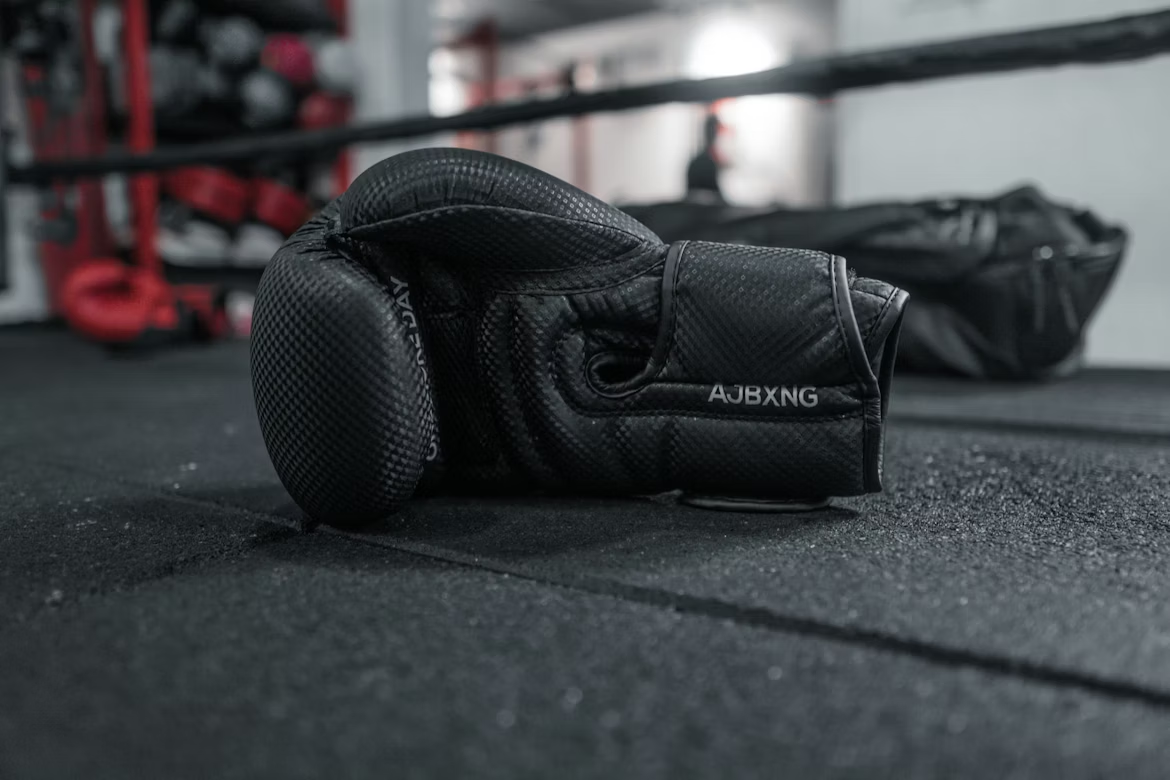
Most adults train in 12 oz gloves for pads and bag work, 14 oz for lighter sparring, and 16 oz for sparring and partner protection. When in doubt for sparring, go heavier. It’s safer for your training partners.
Bag gloves vs sparring gloves are different tools.
Bag gloves tend to be denser and more compact to give feedback and last longer against hard surfaces. Sparring gloves prioritize softer outer padding to reduce impact on training partners.
Using one ultra-cheap glove for everything usually leads to faster foam breakdown and worse protection across both uses.
Wrist support is where cheap gloves fail most visibly.
If you throw hard regularly, look for dual wrist straps, longer cuffs, or structured wrist-lock systems. Wrist soreness after bag rounds is almost always a glove problem.
Leather vs synthetic.
Leather gloves last longer, resist cracking better, and mold to the hand more naturally. Synthetic gloves are cheaper and easier to wipe down but wear out faster with heavy use. For anyone training more than a couple of times a week, leather is the better long-term investment.
Muay Thai vs boxing gloves.
Muay Thai gloves are more flexible and open-handed for clinching. Traditional boxing gloves prioritize punch alignment and compact fist positioning. If you’re primarily doing Muay Thai or kickboxing, the difference matters.
Smell is a real issue.
Air-dry gloves after every session. Never leave them sealed in a gym bag overnight. Glove deodorizers help. Wipe the interiors regularly. Antimicrobial liners on premium gloves reduce the problem, but no glove is immune to a sweaty gym bag.
Which One to Buy?
- Hayabusa T3 LX: Best wrist support and all-around durability for regular training.
- Cleto Reyes: Best feel and feedback for experienced boxers who know what they’re doing with a firm glove.
- Rival RS11V Evolution: Best sparring comfort and partner safety for anyone sparring frequently.
- Fairtex BGV1: Best mobility and versatility for Muay Thai and kickboxing.
- Venum Contender: Best option for beginners who want something decent without spending premium money.
Common Questions
What size gloves do I need?
12 oz for bag and pad work, 14 oz for general training, 16 oz for sparring. Most gyms require 16 oz for sparring to protect your partners.
Are expensive gloves worth it?
For frequent training, yes. Premium gloves protect your hands better and maintain foam structure far longer. Replacing two sets of cheap gloves over two years usually costs more than one good pair.
How long do boxing gloves last?
Casual users usually get 1-3 years. Daily heavy training compresses foam much faster. Flat padding, loose wrist support, or cracked shells are the main signs it’s time to replace them.
Can one pair cover everything?
For most casual or intermediate users, yes. A good all-around glove, like the T3 LX or Fairtex BGV1, handles most situations. Dedicated sparring gloves are worth having separately if you spar often.
What do professionals use?
Winning, Cleto Reyes, Grant, Rival, and Fly are common in professional training. Preferences vary by fighter style. Power punchers often gravitate toward Reyes, while fighters who prioritize hand protection during training lean toward Winning.